Mexico· Americas
June 13, 2027
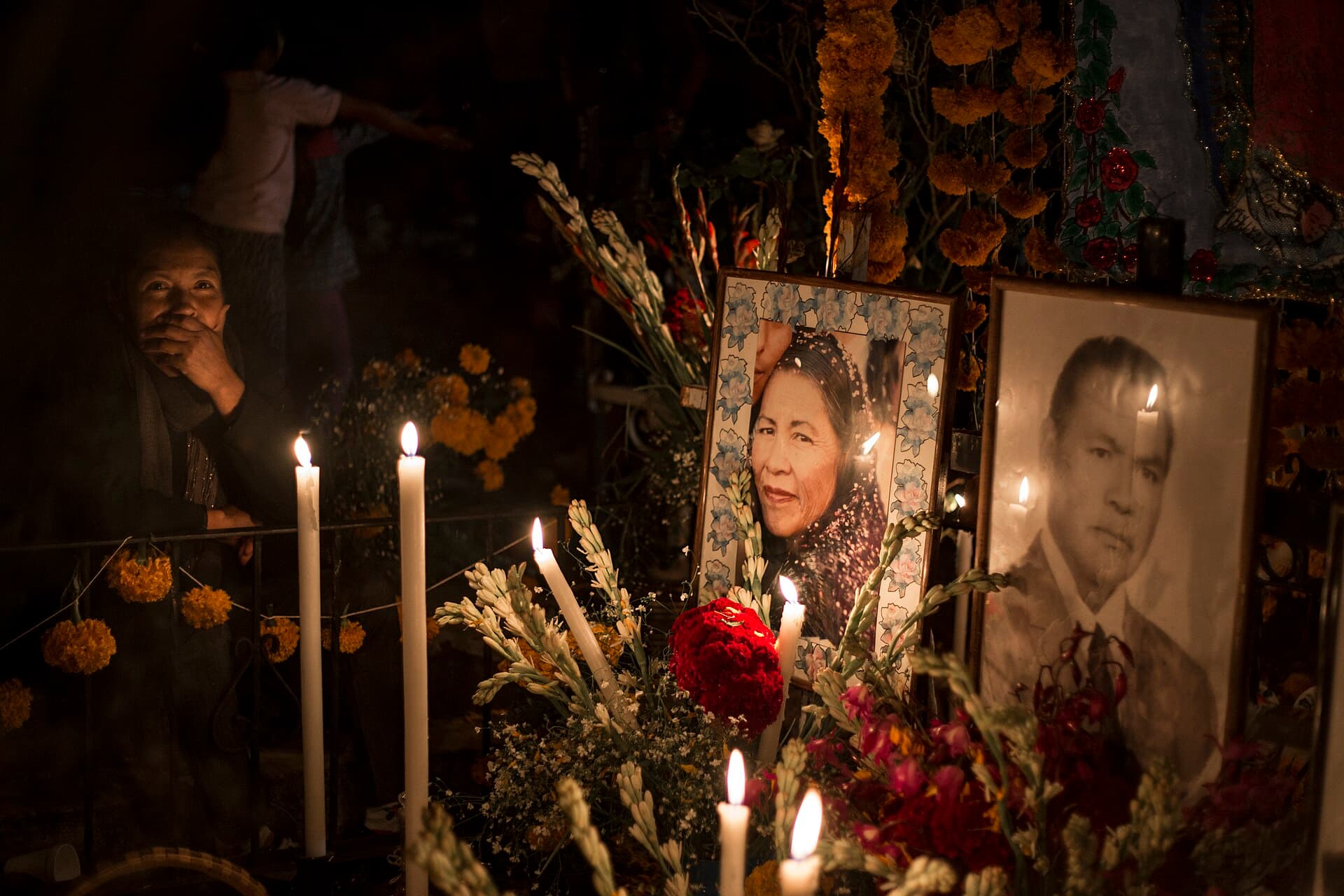
Families keep an all-night candlelit vigil in the island cemetery, waiting for the souls to return.
On Janitzio the Día de Muertos is kept as a vigil for the dead, not a carnival of them. Through the day of 1 November the community prepares: the graves are cleaned and heaped with cempasúchil marigolds, whose scent is said to guide the souls, and the ofrendas are laid with the food the dead loved, pan de muerto, candles, copal incense and photographs. After dark the families carry the candles and offerings to the island cemetery and keep the velación — an all-night watch at the graves, in candlelight and quiet prayer and song, waiting for the souls of the departed, and especially the children, to return and share the night. Out on the lake, before the vigil, the men have traditionally gone out in canoes with their great butterfly nets and candles for a ceremonial fishing, a much-photographed image of the island. The belief beneath it all is that on this night the boundary between the living and the dead thins, and the dead come home; the living keep them company with light and food until dawn on 2 November. Janitzio is a small Purépecha island reached by boat across Lake Pátzcuaro, and its observance has stayed largely the community's own — which is precisely why it matters, and why it asks for care. This is a family keeping watch over its dead, and a visitor's place is at the quiet edge of that, candle-lit and silent, not in the middle of it with a flash.
Drawn up by the host community. Please read in full before requesting an invitation.
Guided, and best with care. Janitzio is reached by boat from Pátzcuaro; the vigil is the community's own and visitors attend at the quiet margins. Expect long boat queues and dense crowds; a local host helps you arrive and behave well.
Modest, warm, dark clothing for a night vigil at a cemetery. Nothing costume-like or attention-seeking among the mourning families.
Discreet only. Do not use flash, do not photograph families at the graves without their clear consent, and keep any camera low and quiet. The cemetery is full of people keeping watch over their dead — treat it as you would a funeral, not a photo set.
Keep your voice to a near-whisper, stay on the paths and at the edges, never touch or step over the ofrendas, and don't intrude between a family and its grave. Accept that much of the night is not yours to photograph. Move with the reverence of a guest at a wake.
Purépecha and Spanish.
A cold, long night outdoors on a steep, uneven island reached by a crowded boat crossing; dress warmly, wear sure footing, and pace yourself if staying to dawn.
A cold highland night that runs to dawn: warm layers, a hat and something warm to drink. The island is steep and the cobbles uneven — sturdy shoes and a small torch (kept low and never flashed at the graves). Mexican pesos in cash. Above all, a quiet, unobtrusive manner; book boat and lodging far ahead, as Pátzcuaro fills.
You cross the lake by boat — a long wait in the crush of visitors most years — to an island climbing steeply to its church. After dark the cemetery glows: every grave banked with marigolds and candles, families seated among them through the cold night in soft prayer and song, the air heavy with copal and flowers. It is hushed, intimate and deeply moving, and you are very close to private grief made communal. You move slowly and quietly at the edges, and you do not intrude on the families at their graves.
A night-long candlelit vigil for the dead on a lake island