Peru· Americas
Jul 11 – Jul 12, 2026
Convents, the Temple of Pythons and the Sacred Forest open for the national days of Vodun.
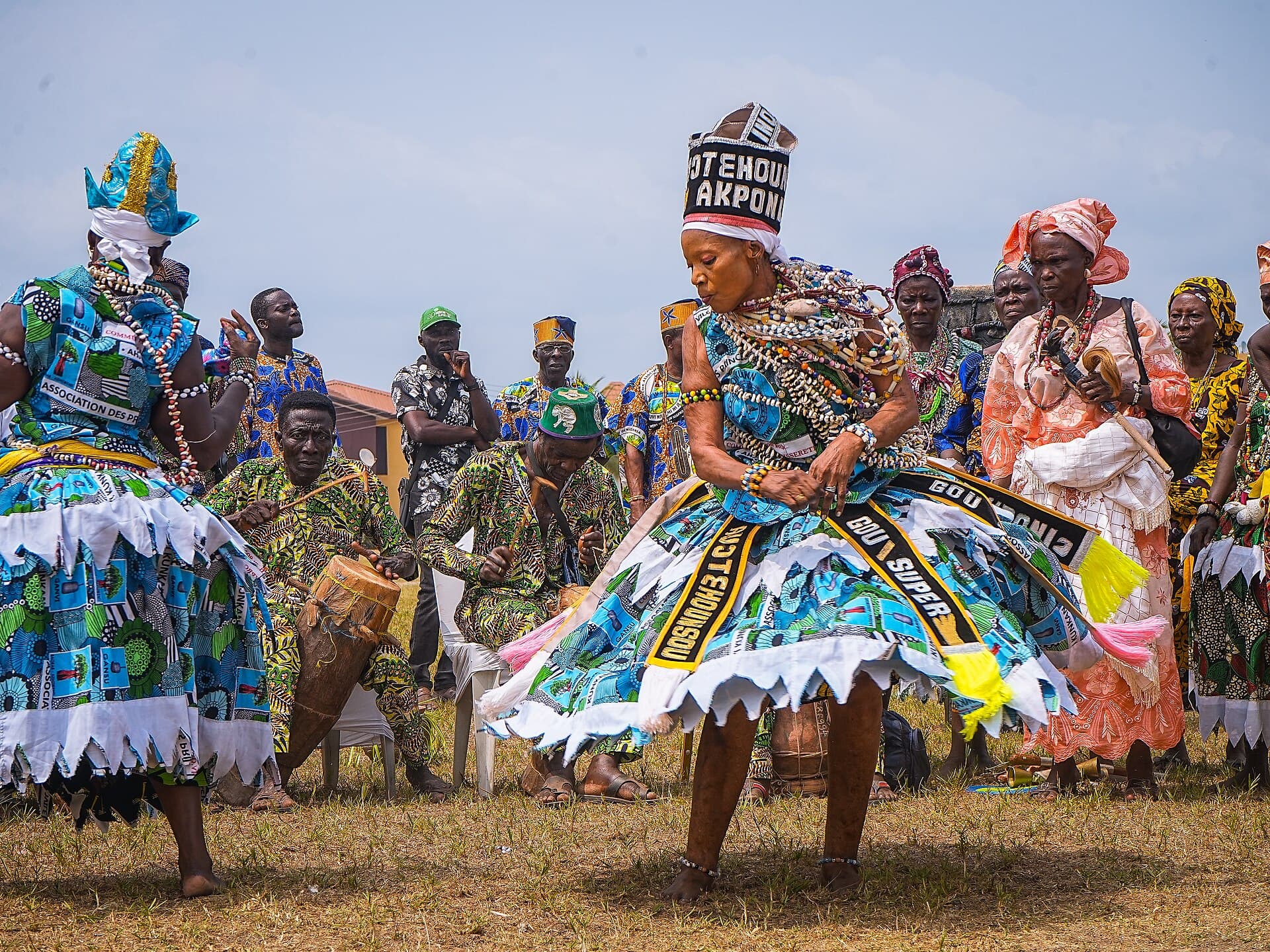
Benin set aside 10 January as the national day of Vodun when it formally recognised the religion in the 1990s, and since 2024 the state has expanded that single holiday into a multi-day programme, the Vodun Days, centred on Ouidah. Ouidah is a fitting centre: it holds the Temple of Pythons, where royal pythons sacred to the vodun Dangbé are kept and carried among the devotees; the Sacred Forest of Kpasse with its sculptures of the deities; and the Route des Esclaves running to the Door of No Return on the beach, the path along which enslaved Africans were marched to the ships — so the religion's public festival sits on the ground of the trade that scattered it across the Americas. Over the days, the convents bring their initiates out into the squares; priests pour libations and conduct rites for particular vodun; drumming and dance summon the deities, and devotees enter possession; masked figures including the towering Egungun and Zangbeto appear from the convents. It is reverent and ordered, not the horror-film invention the word 'voodoo' carries in Western media — that caricature is itself a product of slavery and its propaganda. The festival now draws Beninese, West Africans, and members of the diaspora from the Americas returning to a source of their own faith, alongside other visitors. Some rites are public; the deepest convent rituals remain closed to non-initiates, and that boundary is firmly kept.
Drawn up by the host community. Please read in full before requesting an invitation.
Guided. Public ceremonies, the Temple of Pythons, the Sacred Forest and the Route des Esclaves are open to visitors (some with an entry fee); the inner convent rites are closed to non-initiates. A local guide is essential.
Modest, respectful clothing covering shoulders and knees, as for a religious observance. White is appropriate and worn by many devotees.
Photography is generally permitted at the public ceremonies and sites, often for a fee at the temple and forest, but ask before photographing priests, initiates, or anyone in possession, and never photograph where a convent or guide forbids it.
Use the name Vodun, not 'voodoo'. Do not touch the Zangbeto or Egungun masks or step into a rite uninvited. Follow your guide on what is open, give way to processions, and treat possession and the convents with gravity.
Fon and French; English-speaking guides are available in Ouidah.
Coastal heat and humidity in large crowds; manage sun and water. Malaria-endemic — take prophylaxis and repellent. Otherwise undemanding.
Coastal Benin in January is hot, humid and sunny — light modest clothing, a hat, sunscreen and water. Bring CFA francs in cash for the temple, forest and guides. A local guide is important to read which rites are open and to keep you correct around the masks and convents. Dress respectfully for a religious occasion.
Ouidah's squares and convent forecourts become the stage: drum orchestras, lines of initiates in white and indigo, priests pouring libations, and the sudden intensity of a devotee entering possession as a deity is recognised. At the Temple of Pythons, initiates drape the snakes across visitors' shoulders; in the Sacred Forest, guides explain the deity sculptures. The Egungun and Zangbeto masks — the latter a whirling haystack form believed to embody a guardian spirit — move through the crowd and are not to be touched. Much is open and welcoming; some doors stay shut to outsiders, and you respect the line.
The living religion the world miscalls voodoo, at its source