Peru· Americas
Jul 11 – Jul 12, 2026
Sámi and other native artists gather in a North Troms fjord village for music, art, film and ideas.
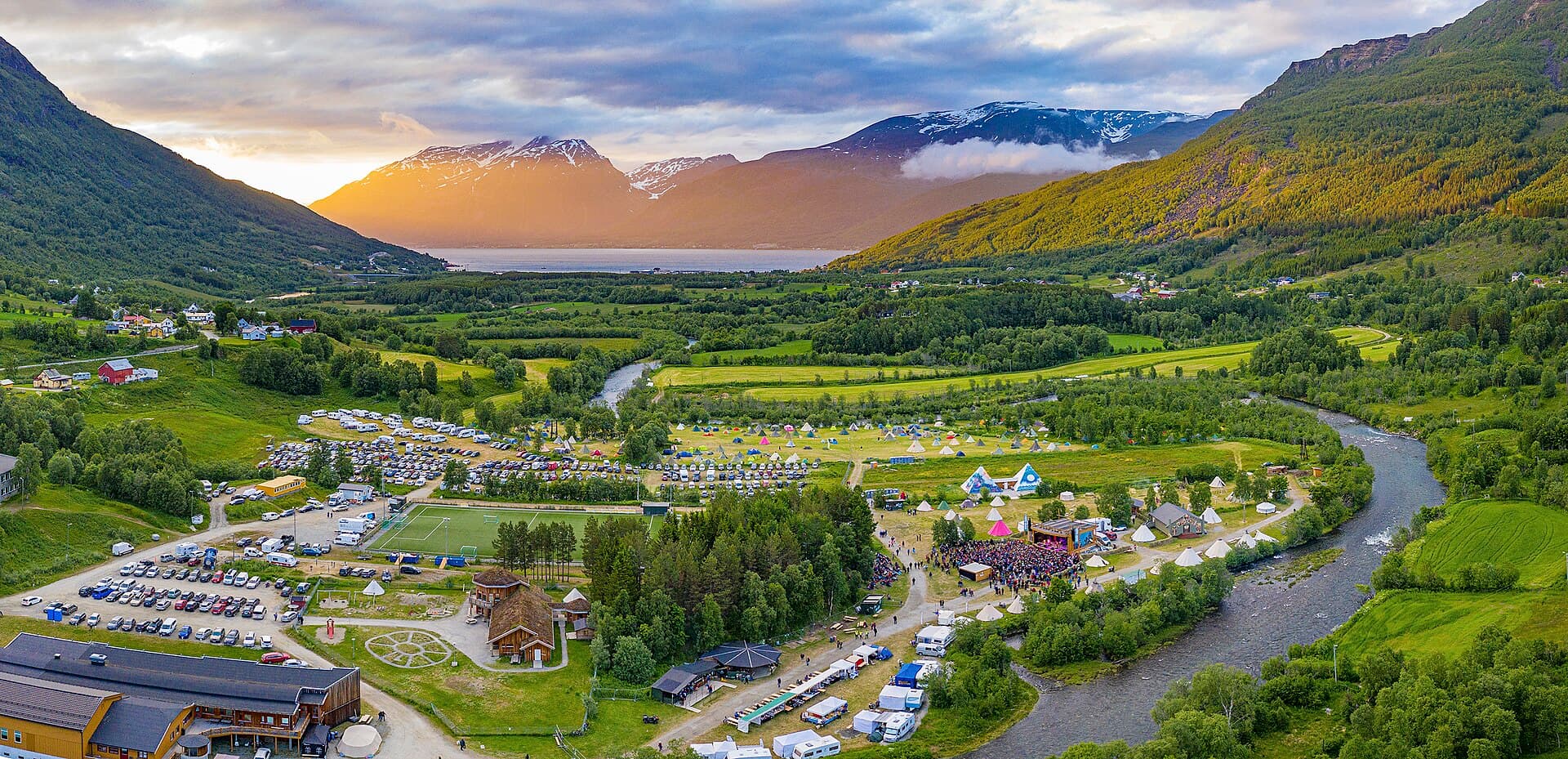
Riddu Riđđu is held each July in Olmmáivággi (Manndalen) in the Kåfjord municipality of North Troms, about 150 km from Tromsø, and draws several thousand people to a small fjord village for a multi-day programme of concerts, seminars, stage art, film, workshops, a children's programme and a market. The festival was founded in the 1990s by young Coastal Sámi as an act of cultural reclamation: the Coastal Sámi of these fjords had been among the most heavily assimilated by Norwegian state policy, with the language suppressed and many families having concealed their Sámi identity for a generation or more. Riddu Riđđu set out to make that identity public and to renew it through art — and over time it widened to invite a different native people as its 'Northern People' guest each year, hosting Inuit, Sámi from across Sápmi, and people from as far as the Pacific and the Americas, so that it became a meeting place for Arctic and other native cultures and a stage for their music, politics and storytelling. It is now an established summer festival with ticketed entry and a camping field, open to all and welcoming to visitors; what it is not is a folkloric display. The serious cultural and ceremonial work — the language and the deeper community rites that happen in connection with the gathering — belongs to the Sámi, and a visitor comes to the festival's public programme rather than to anything held privately. The festival is the front door; it is not the whole house.
Drawn up by the host community. Please read in full before requesting an invitation.
Guided / open. The festival is ticketed and open to all; reach Manndalen via Tromsø then road. Book tickets and lodging or camping ahead. The deeper Sámi ceremonies connected to the gathering are private and not part of the visitor programme.
Practical Arctic-summer outdoor clothing. The Sámi gákti is worn by Sámi participants; visitors do not wear it.
Photography at the public festival is fine. Ask before close portraits, and around anyone in gákti or at any ceremonial element treat it as personal and cultural rather than a photo opportunity; follow the festival's guidance.
Engage the programme as the Sámi community's own stage — listen at the seminars, support native artists and the market, and don't seek out or intrude on the private ceremonial side. Respect the festival as cultural reclamation, not entertainment laid on for outsiders.
Northern Sámi and Norwegian; English is widely understood.
Cool, wet, windy Arctic-summer weather and a camping field; pack for changeable cold and rain. Near-constant daylight can disturb sleep. Mosquitoes can be heavy. Otherwise undemanding.
Arctic-coast July is mild but changeable — cool, wet and windy as easily as warm: layers, a waterproof jacket, and warm clothing for the night even under the midnight sun. If camping, a proper sleeping bag and a sleep mask for the never-dark nights. Sturdy shoes for a field site. Norwegian krone (cards are widely taken). Insect repellent for the Arctic mosquitoes.
You arrive at a fjord-side site of stages, tents and a market under the long Arctic summer light, where it scarcely gets dark. The programme runs from concerts of Sámi and other native music — joik, throat-singing, contemporary acts — to seminars on language and land rights, film screenings, craft workshops and a strong children's and youth strand. The mood is part festival, part gathering of peoples, with a clear political and cultural seriousness under the music. You take part in the public programme; the private, ceremonial side is not on display.
A Sámi cultural revival turned Arctic gathering of peoples