Indonésie· Asia
Jul 15 – Jul 16, 2026
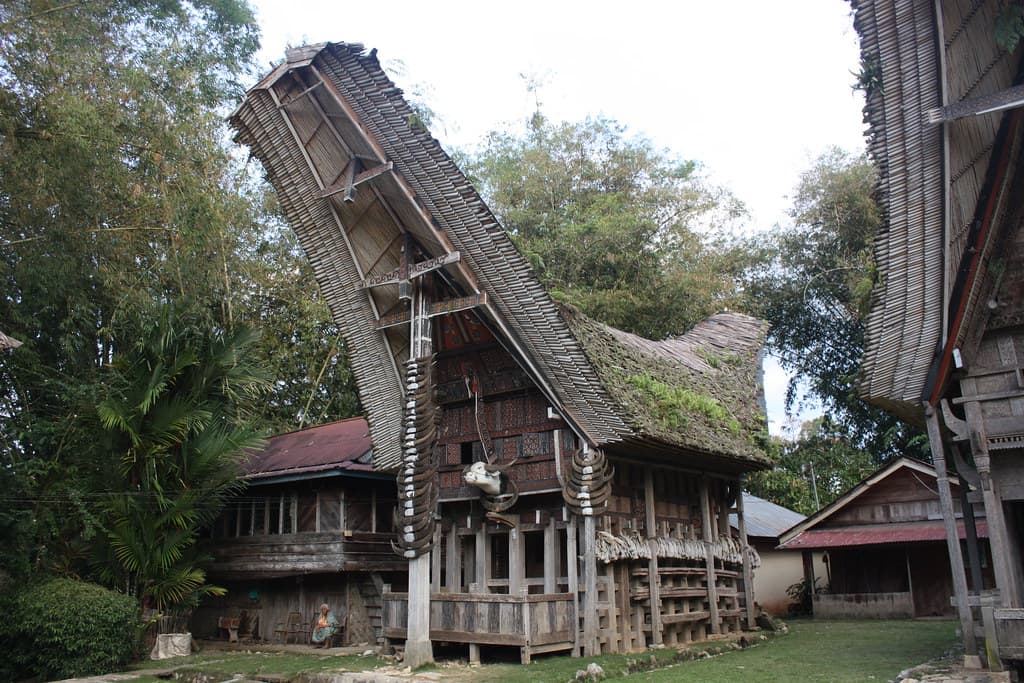
Every few years a lineage opens the tombs, cleans and re-dresses its dead, and walks them in the sun.
Ma'nene — 'the care of the ancestors' — is held by a lineage every few years, usually in August after the harvest. The family opens the cliff tombs or the house-graves, lifts out the preserved bodies of grandparents and great-grandparents, cleans them, combs them, and dresses them in fresh clothes; in some villages the dead are stood upright and walked a short way in the daylight before being returned. To the Toraja this is reunion, not horror: the ancestors are visited the way the living visit elders, brought news, given new garments, and thanked. It is also maintenance of a contract — the dead look after the fortunes of the living, and Ma'nene keeps the relationship in good repair. The rite has become controversial precisely because images of it have travelled the internet stripped of this meaning, photographed and shared without the family's consent and consumed as the macabre. Some lineages have grown wary of outsiders for exactly that reason. Where a family does welcome a witness, the conditions are theirs to set, and the single most important thing a visitor brings is restraint: this is a grandchild dressing a grandparent, and it asks to be seen that way.
Rédigées par la communauté hôte. Merci de les lire en entier avant de demander une invitation.
Witnessed, and only where a specific lineage has agreed to a guest. Access is not general or ticketed; a host secures the family's consent and conveys its conditions.
Sober, modest, covering clothing as for a funeral. Nothing bright or attention-seeking.
Restricted, and the most sensitive in the catalogue. Photograph only with the family's explicit, repeated permission; many will allow none, or only of the cleaned tomb and not the dead. The misuse of Ma'nene images is exactly why some families now refuse outsiders — honour a refusal absolutely.
Keep well back; only the family touches the ancestors. Lower your voice, follow every instruction, and treat the dead as the relatives present treat them — as honoured elders, not as a sight.
Torajan and Indonesian; an interpreting host carries the family's wishes to you.
Outdoor highland day at hillside tombs; modest walking and sun/rain exposure. The encounter with preserved bodies is confronting for many — be sure you are ready before you accept an invitation.
Modest, sober clothing. A respectful, unobtrusive manner matters more than any object. Sun and rain cover for an outdoor highland day. Bring nothing that makes a spectacle of you, and be prepared to put the camera away entirely if the family prefers.
Only the family handles the dead; a guest watches from a respectful distance. You will see the tomb opened, the body lifted out with great care, the old clothes replaced and the figure cleaned, combed and sometimes stood up. Relatives talk to their ancestor, show them things, take family photographs with them. The mood among the family is tender and matter-of-fact rather than fearful. Your job is to be quiet, to keep back, and to ask before every photograph.
The funeral feasts and ancestor-tending of the Toraja highlands