Nigeria· Africa
Mar 1 – Mar 2, 2027
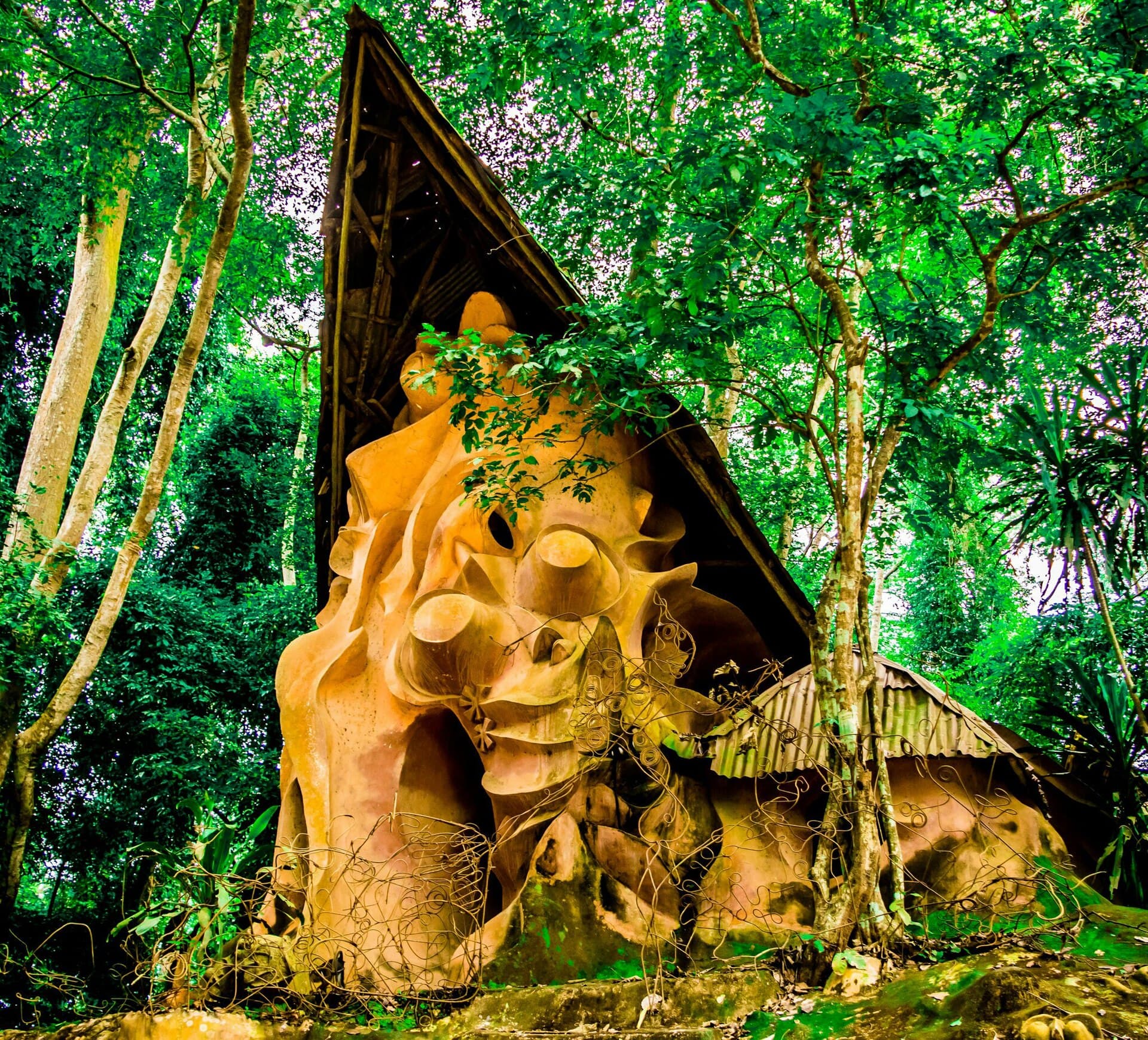
A young calabash-bearer carries the town's offerings through the sacred forest to the river goddess Osun.
The Osun-Osogbo festival runs for about two weeks each August, a sequence of rites that renews the bond between Osogbo and its goddess. It opens with the Iwopopo, the ritual cleansing of the town, followed by the lighting of the sixteen-point Ina Olojumerindinlogun, an ancient lamp, and the Ibroriade, the assembly of the crowns of past Ataojas — the kings of Osogbo — for the reigning Ataoja's blessing. The climax is the procession of the Arugba: a young woman of the royal house, a virgin, who carries on her head a sealed calabash holding the sacrifice and the prayers of the whole community, and walks from the palace through the streets and into the Sacred Grove to the river, the entire town following. She bears the hopes of Osogbo for the year, and people press to touch or be near her as she passes; at the river the priestesses make the offering to Osun and the goddess's favour — children, health, prosperity — is sought and her blessings, in the form of sacred water, returned to the people. The Grove itself, saved and adorned through the twentieth century and listed by UNESCO in 2005, is the living temple in which it all takes place. The festival draws the Yoruba of Nigeria and the diaspora of the Americas, for whom Osun lives on as a major orisha in Candomblé, Santería and related faiths, home to a source of their devotion. It is a working religious rite, not a pageant.
Rédigées par la communauté hôte. Merci de les lire en entier avant de demander une invitation.
Witnessed. The festival's public processions and the grove are open to respectful visitors, best with a local host; reached via Osogbo. The inner shrine rites of the priestesses have their own limits for non-initiates.
Modest clothing covering shoulders and knees; white is worn by many devotees and is welcome. Practical footwear for muddy forest paths.
Photography in the grove and of the public procession is generally allowed, often with a permit or fee, and a guided early session is best. Ask before photographing priestesses and devotees, and never crowd or obstruct the Arugba.
Keep clear of the Arugba's path and don't touch the sealed calabash she carries. Defer to the priestesses and the Ataoja's party, stay out of the inner shrines unless led, and treat the trance and offerings with gravity.
Yoruba; English is Nigeria's official language.
Warm, humid, rainy conditions on uneven forest paths in heavy crowds; manage water and footing. Malaria-endemic region — take prophylaxis and repellent. Carry personal medication.
August in south-west Nigeria is warm, humid and rainy, and the grove paths are uneven and can be muddy: light breathable clothing, a rain layer, a hat, sunscreen and water, with sturdy closed shoes. Nigerian naira in cash, and modest dress. A local host helps you read which moments are open and keeps you correct around the priestesses and the Arugba.
The grove and the route to the river fill with crowds, white-clad priestesses, drumming and the babalawo and devotees in procession. The centre of it all is the Arugba — a calm young woman moving under the weight of the covered calabash, eyes lowered, the crowd surging around her with prayers. At the river the offering is made and sacred water shared. There is trance, devotion and a pressing, joyful throng; you keep back from the Arugba and the priestesses and let the rite move through.
A two-week pact renewed between a town and its river goddess