Pérou· Americas
Jul 11 – Jul 12, 2026
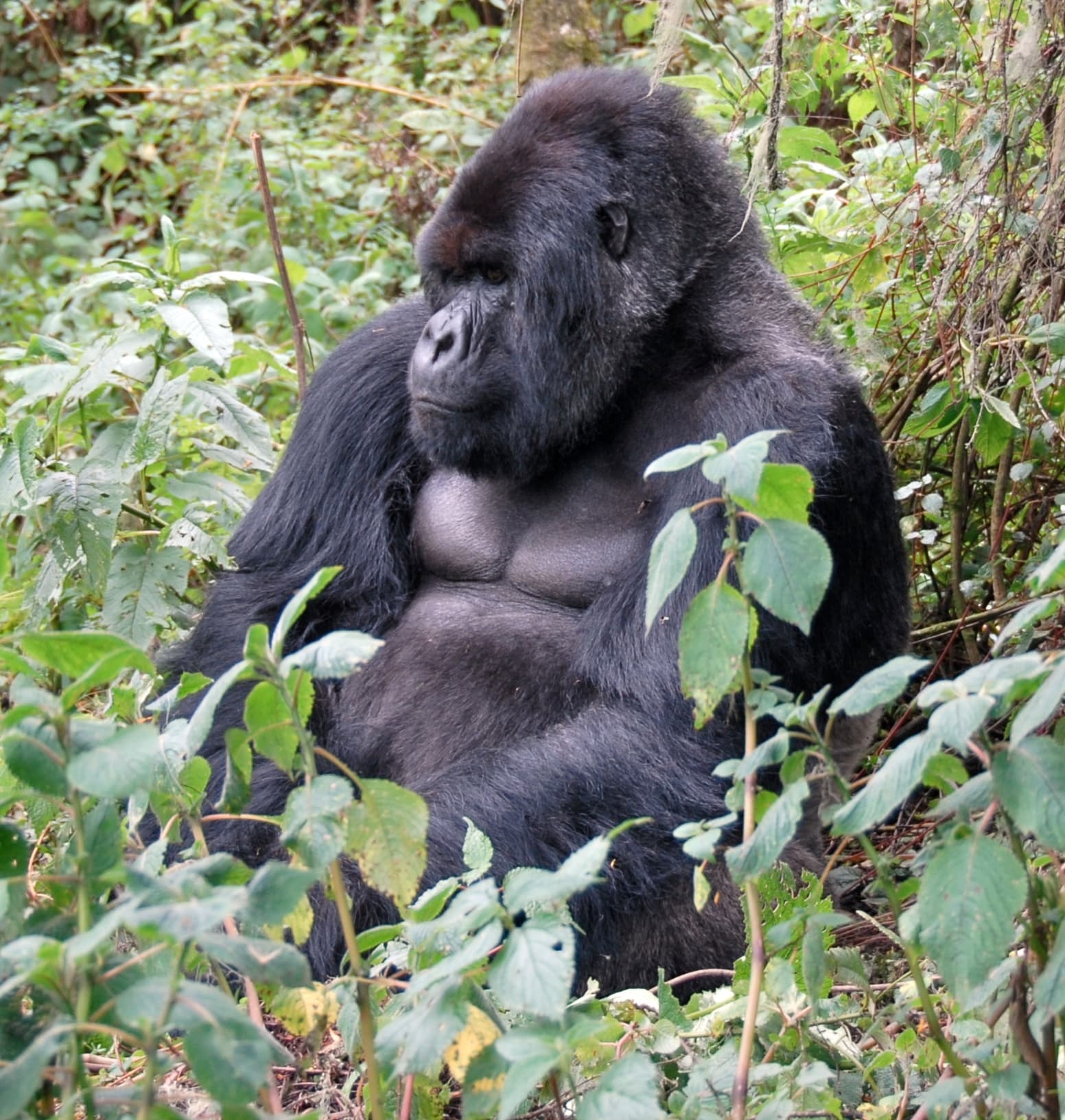
A guided climb up the Virunga slopes to spend an hour with a habituated mountain gorilla family.
Gorilla trekking in Volcanoes National Park is a guided, permitted visit to one of the habituated mountain gorilla families on the Rwandan side of the Virunga massif. Trekkers set out most mornings from the park headquarters near Kinigi, are assigned a family by the rangers, and climb — sometimes for an hour, sometimes for many — through farmland and then thick mountain forest until the trackers, who have followed the group since dawn, lead them to it. Once with the family, the visit is held to a strict hour and a respectful distance. The experience sits on a real conservation success: the mountain gorilla, once expected to vanish, has slowly increased in number through anti-poaching work, veterinary care and a model in which tourism revenue and a share of park income are directed back to the communities living around the forest, giving them a stake in the gorillas' survival. The trackers and guides are largely from those Musanze communities, and porters are hired from them for each trek. This is wildlife tourism rather than a cultural ceremony, and the catalog keeps that honest — but it is bound up with the livelihoods and conservation traditions of the people who ring the park, and a visit, done on the park's terms, helps fund both the gorillas' protection and the villages that do the guarding.
Rédigées par la communauté hôte. Merci de les lire en entier avant de demander une invitation.
Guided, year-round, by permit only — numbers are strictly capped and permits should be secured well ahead through the Rwanda Development Board or a tour operator. Eight visitors per family per day, one hour with the gorillas. Reached from Musanze/Kinigi.
Practical hiking clothing: long sleeves and trousers, waterproofs, sturdy boots, gloves. Nothing special beyond gear for a wet mountain climb.
Photography is allowed without flash — flash is forbidden near the gorillas. Keep the ranger's distance, lower your camera if a gorilla approaches, and follow the guide's signals at all times.
Follow the rangers absolutely: keep the required distance, stay in a tight group, do not eat near the gorillas, lower yourself and look away if a silverback displays, and leave on time at the hour's end. Do not trek with a cold or illness — the gorillas share our diseases.
Kinyarwanda and English; guides speak English.
A demanding climb at altitude (often 2,500–3,000m+) over steep, muddy terrain for several hours — a reasonable level of fitness is needed. Anyone unwell must not go, as gorillas are vulnerable to human illness. Cold, wet conditions; porters and walking poles help.
A potentially long, steep, muddy climb at altitude in a rainforest: broken-in waterproof boots, gardening or sturdy gloves (for grabbing stinging vegetation), rain gear, long sleeves and trousers, and plenty of water are the essentials. Hire a porter at the trailhead — it eases the climb and puts money into the community. Bring your permit and passport, and Rwandan francs in cash for the porter and tips.
You gather at dawn at Kinigi for a briefing and your family assignment, then drive to a trailhead and climb — through potato and pyrethrum fields, then into dense, often wet forest, sometimes scrambling over and under vegetation. The trackers radio your guide to the gorillas' position. Then, suddenly, they are there: a silverback at rest, females and juveniles feeding and grooming, infants tumbling. The hour passes fast and close. The descent can be muddy and long. It is strenuous, weather-dependent and tightly run by the rangers.
Trekking to the mountain gorillas the Musanze communities guard