Pérou· Americas
Jul 11 – Jul 12, 2026
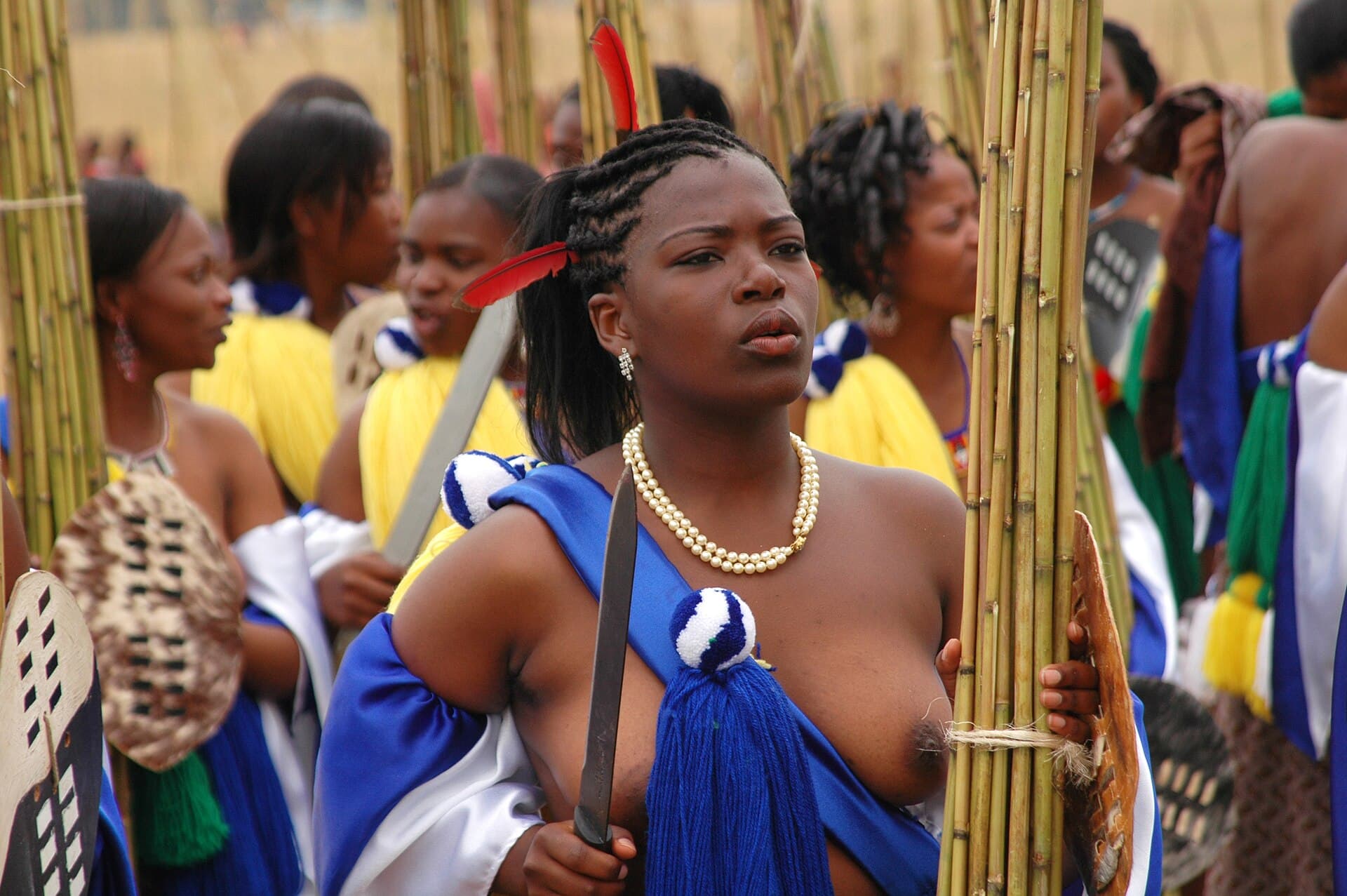
Tens of thousands of young women carry reeds to the Queen Mother and dance before the royal house.
The Umhlanga, or reed dance, gathers tens of thousands of unmarried and childless young women and girls from across Eswatini over about a week at the Ludzidzini royal village. In the tradition's own terms, the participants travel out to cut tall reeds from designated riverbanks, carry the bundles back to present to the Queen Mother, and use them to mend the windbreaks of her residence; the days culminate in mass dancing before the King, the Queen Mother and the assembled nation, the young women in beaded skirts and sashes, bare-breasted in the customary dress, moving and singing in great cohorts by region. The monarchy frames the ceremony as a celebration of young women, a public valuing of chastity before marriage, and a rite of solidarity and service that affirms Swazi identity and the authority of the iNdlovukati. It is also, honestly, a ceremony that has drawn sustained international criticism and internal debate — over the participation of minors, the customary toplessness, the historical association with virginity testing, and the fact that a king who practises polygamy has at times chosen a new wife from among the dancers, all set against Eswatini's status as an absolute monarchy with a strong women's-rights critique. A visitor should come understanding that they are entering a ceremony that Swazis themselves hold with pride and that outside observers contest, and should weigh that before attending. Both the cultural meaning the participants give it and the criticism levelled at it are real, and a respectful witness holds both rather than reducing it to either.
Rédigées par la communauté hôte. Merci de les lire en entier avant de demander une invitation.
The ceremony is largely internal to the participants and the royal house, opening to the public for its final two days at Ludzidzini. Spectators watch from designated areas; check the current year's arrangements and rules before attending.
Modest clothing for spectators. The participants wear the ceremonial regalia; visitors dress plainly and respectfully.
Restricted and strictly governed. Photography is permitted only from designated spectator areas and rules on photographing participants vary year to year; uploading event content to the internet has at times been prohibited. Follow the official directions exactly and do not photograph individuals, especially minors, without clear sanction.
Stay in the spectator areas, follow the royal household's rules to the letter, and show deference to the King and the Queen Mother. Come informed about the ceremony and the debate surrounding it, and let respect — not spectacle — guide your presence.
siSwati and English.
A large outdoor gathering in dry-season sun with limited shade; manage sun and water. The main considerations are conduct and the informed-consent of attending, not terrain.
Late August / early September in Eswatini is the dry late winter into spring — warm, sunny days and cooler mornings: sun protection, a hat, water and a light layer. The event is large and outdoors; bring Swazi lilangeni (or South African rand) in cash and modest dress. Above all, read and follow the official photography and conduct rules closely.
The public days bring an immense gathering to Ludzidzini — tens of thousands of young women in beaded regalia massed by region, columns of them carrying reeds, and long sequences of singing and dancing before the royal pavilion, with the King, the Queen Mother and dignitaries in attendance. It is vast and highly organised, a sea of beadwork and song, with a strong sense of national occasion. You watch from the designated spectator areas. Come informed about the ceremony's context and the debate around it, and let your conduct follow from that.
Tens of thousands of young women cut and carry reeds to the Queen Mother